Holloway Road Garden Maintenance Quotes for Archway Flats: What to Expect, What Affects Price, and How to Choose Well
If you live in an Archway flat and you're trying to get sensible, no-nonsense garden maintenance quotes for a property off Holloway Road, you're probably after two things: clarity and value. Not fanciness. Not vague promises. Just a straightforward quote that makes sense for the space you actually have.
That matters more than people think. Flat gardens, communal courtyards, roof terraces, and small side plots can look simple at first glance, then turn into a bit of a puzzle once you factor in access, waste removal, shared responsibility, and how often the space needs attention. In other words, the price is not just about mowing grass. It's about the whole job.
This guide walks through how Holloway Road garden maintenance quotes for Archway flats usually work, what's included, what can push the price up or down, and how to compare quotes without getting lost in the small print. You'll also find a practical checklist, a realistic comparison table, and a few expert tips that come from dealing with London gardens in the real world - where weather, access, and neighbours all seem to arrive at once.
Why Holloway Road Garden Maintenance Quotes for Archway Flats Matters
At a glance, a flat garden in Archway may seem low maintenance. Then spring arrives, the hedge shoots up, the lawn goes patchy, leaves gather in corners, and suddenly it looks less like "a quick tidy" and more like a recurring job. That is exactly why getting a proper quote matters.
For flats, garden care is rarely just a one-off task. It often involves keeping shared or compact outdoor areas tidy enough to use comfortably, avoid complaints, and stay ahead of the kind of build-up that makes work harder later. A quote is not just a number; it is a mini plan for how the garden will be managed.
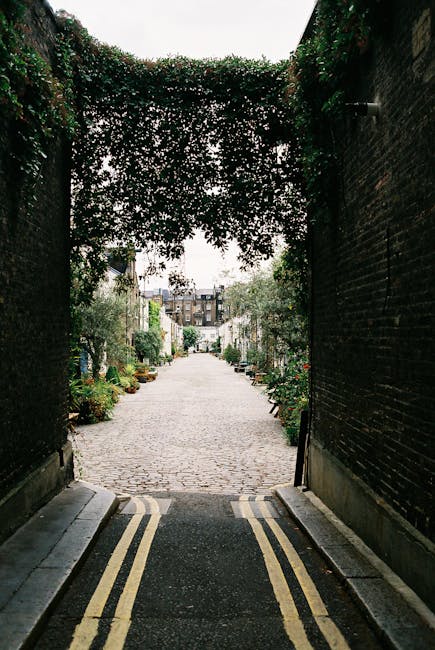
On Holloway Road and around Archway, access can shape the quote just as much as the garden itself. A small rear garden reached through a building, a narrow side passage, or a communal area with limited parking can all add time. And time, frankly, is money. Nothing mysterious there.
Good quotes also help avoid awkward disputes. If the garden is shared between leaseholders, tenants, or a landlord and managing agent, a clear written estimate helps everyone understand what is included. Is it lawn mowing only? Is hedge trimming part of it? Does the contractor take away green waste? Those details matter. They really do.
If you want to understand the wider service structure before asking for a quote, it can help to review the company's services overview and the specific garden maintenance page. That makes the conversation much easier, especially if you're comparing a few options and trying not to make a rushed decision on a damp Tuesday morning.
How Holloway Road Garden Maintenance Quotes for Archway Flats Works
A proper quote normally starts with the basics: what kind of outdoor space is it, how big is it, and what condition is it in right now? From there, the contractor estimates the time, labour, tools, and any disposal needs. For flat gardens, the biggest difference from a house garden is often not the planting - it's the logistics.
In practical terms, most quotes are shaped by a few core factors:
- Size of the space - a compact courtyard takes less time than a longer shared garden, but fiddly borders can still slow things down.
- Current condition - a space that's kept on top of regularly is very different from one that needs a full reset.
- Access - stairs, side gates, basement entries, and narrow passages all affect labour.
- Waste handling - some jobs produce a few bags of clippings; others create a proper pile.
- Frequency - one-off visits usually cost more per visit than regular maintenance.
- Service mix - mowing alone is one thing; mowing, hedge trimming, edging, and tidying borders is another.
A decent gardener will usually ask for photos or arrange a site visit. That's not fussiness. It's how they avoid guessing. And guessing is where quotes go wrong. You want a quote based on the garden in front of them, not an idealised version that only exists in someone's head.
If the job includes heavy cut-back or a one-off tidy before moving in or after a long gap, a contractor may suggest garden clearance rather than routine maintenance. That distinction is useful because it helps you compare like with like. Otherwise you end up wondering why one quote is much lower than another. Often the answer is simply that they're quoting for different work.
For maintenance tasks that involve regular lawn care, you may also see lawn work listed separately or bundled with general upkeep. A dedicated lawn mowing service can be useful if the grass is the main issue and the rest of the space is already tidy.
Key Benefits and Practical Advantages
Getting clear quotes for flat garden maintenance sounds ordinary, but it solves a surprising number of headaches.
First, it gives you control over spend. Instead of saying yes to a vague "we'll sort it out" arrangement, you can decide what work is actually worth doing. That's especially helpful in flats where budgets may be shared or reviewed in advance.
Second, it helps you compare service levels. One quote might include sweeping, border weeding, and waste removal. Another might only cover mowing. Those two quotes are not really competitors, even if the numbers look close. A clearer comparison saves you from false economy.
Third, it reduces tension around responsibility. In shared buildings, nobody wants to be the person chasing everyone else for agreement after the garden has become an eyesore. A proper quote gives structure. You can circulate it, approve it, and move on. Nice and simple, ideally.
Fourth, it keeps the space usable. A well-maintained flat garden feels bigger, brighter, and calmer. You notice this most on a quiet evening when the air is a bit cool and the light drops through the planting. Even a modest courtyard can feel like a proper asset when it's looked after properly.
Fifth, it can prevent bigger jobs later. Regular maintenance helps stop small issues becoming awkward ones. Hedge growth gets checked. Paths stay safer. Beds don't disappear under weeds. That's the sort of thing that's easy to ignore until it isn't.
Who This Is For and When It Makes Sense
This kind of quote is useful for quite a wide group of people, not just homeowners. In fact, flat gardens often need more coordination than you'd expect.
- Private flat owners who want a tidy outdoor space without taking on the upkeep themselves.
- Landlords who need the garden kept presentable between tenancies or during managed lets.
- Managing agents handling communal gardens, courtyards, or shared planting areas.
- Leaseholders who need a reliable contractor for recurring work.
- Tenants with permission to arrange maintenance for an allocated garden area.
- Residents preparing for sale or new occupancy who want the outdoor space to look cared for.
It also makes sense when a garden has become "almost tidy" but not quite. You know the sort of thing: the lawn isn't overgrown, but the edges are messy; a hedge is leaning into the path; a few stubborn weeds have made themselves at home. That middle ground is exactly where a tailored quote helps.
And yes, sometimes a flat garden only needs occasional intervention rather than a full schedule. That's fine. Not every space needs a formal monthly arrangement. But if you've noticed the same issues returning every few weeks, regular maintenance will usually be better value over time.
Step-by-Step Guidance
If you want the best outcome from Holloway Road garden maintenance quotes for Archway flats, follow a sensible process. It's not glamorous, but it works.
- Define the space clearly. Note whether it is private, shared, front, back, courtyard, terrace, or a combination.
- List the tasks you actually need. Mowing, weeding, hedge trimming, pruning, sweeping, waste removal, planting tidy-up - be specific.
- Take recent photos. A few daylight photos from different angles save time and help the contractor judge the work properly.
- Ask how access affects the quote. If there's no direct garden access or parking is awkward, mention it early.
- Request a breakdown. A good quote should show what's included and what may cost extra.
- Compare more than price. Look at reliability, scope, scheduling, waste disposal, and communication.
- Confirm frequency. Decide whether you need a one-off visit or recurring maintenance.
- Get agreement in writing. Especially for shared flats, written clarity avoids confusion later.
One useful tip: if your space is very overgrown, ask for separate pricing for a reset and then ongoing upkeep. That split is often cleaner, and it stops the regular maintenance quote from being distorted by one unusually heavy first visit.
If you want to understand how quotes are typically structured before you request one, the company's pricing and quotes page is a sensible place to start. It helps you ask better questions, which always leads to better answers. Funny how that works.
Expert Tips for Better Results
After enough quote requests, you start to spot patterns. Some are obvious, some less so. These are the details that tend to improve both pricing and service quality.
- Bundle related tasks together. If the gardener is already on site, it can make sense to combine mowing, edging, and hedge tidying rather than booking each separately.
- Be honest about the condition. If the garden has been untouched for months, say so. Nobody wins if the quote is too low to do the job properly.
- Choose maintenance before crisis mode. It is usually cheaper and easier to keep a garden in shape than to rescue it every time the weeds get ambitious.
- Check waste handling early. Green waste is one of those small details that becomes annoying if left vague.
- Ask about seasonal shifts. Gardens change fast in spring and early summer. A quote that makes sense in February may not fit July without adjustment.
If your garden has hedges or overgrown boundary growth, it may be worth asking whether hedge trimming can be folded into the maintenance plan. The same goes for more complex overgrowth around trees or tall shrubs, where a separate discussion may be needed.
And if you're dealing with a tiny courtyard that seems oddly difficult to maintain, don't laugh - those spaces can be more fiddly than larger gardens because every movement matters. One misplaced plant pot and suddenly everything feels cramped.
Common Mistakes to Avoid
Quotes go wrong for predictable reasons. The good news is that most of them are easy to avoid once you know what to watch for.
- Comparing only the final price. A lower quote may exclude waste removal, edging, or follow-up tidying.
- Ignoring access limitations. Stairs, locked gates, or restricted parking can add real time.
- Not defining frequency. A one-off tidy and a monthly maintenance plan are not the same thing.
- Forgetting shared responsibilities. In flats, one resident's "quick trim" can become a debate about who approves the spend.
- Accepting vague wording. "General upkeep" sounds fine until you realise nobody agreed what it actually means.
- Not checking whether green waste is included. This one catches people out more often than it should.
There's also a softer mistake: waiting too long. Once a garden has drifted into an overgrown state, the first visit becomes more expensive and less pleasant for everyone. A bit of regular care makes the whole thing easier. Not glamorous, but true.
Tools, Resources and Recommendations
You do not need to be a gardening expert to request a strong quote. A few simple tools and bits of preparation go a long way.
- Phone camera: Take clear, well-lit photos from multiple angles.
- Basic measurements: Approximate length and width help, even if you do not have precise dimensions.
- Simple task list: Write down what needs doing now, and what can wait.
- Access notes: Mention key codes, side entrances, floor level, or parking limits.
- Frequency notes: Keep track of how quickly grass or hedges grow through the season.
When comparing service types, it can also help to understand the difference between maintenance and one-off work. A regular plan may include recurring visits, while a heavy tidy-up may be better handled through garden clearance or a more substantial landscaping discussion.
For broader project ideas beyond routine care - say the space needs reworking, new borders, or structural changes - the landscape gardening and landscaping pages may be useful background. Not every flat garden needs that level of intervention, of course. But it helps to know the difference before you ask for quotes.
If you want to learn more about the people behind the service, the about us page gives useful context, and the contact us page is the practical next step when you're ready to ask for a quote. Straightforward. No drama.
Law, Compliance, Standards, or Best Practice
For flat gardens, compliance is usually less about complex legislation and more about sensible practice, safe work, and clear responsibility. That said, it is still worth being careful.
In shared buildings, the person requesting the work should be sure they are authorised to do so. That may mean the freeholder, managing agent, landlord, leaseholder representative, or a tenant with permission. It sounds obvious, but it saves awkward conversations later.
Best practice also includes the following:
- Clear scope of work so everyone understands what is being paid for.
- Risk-aware access planning where tools, waste, and people move through communal areas.
- Suitable insurance and safety arrangements for the work being carried out.
- Respect for neighbours in terms of noise, timing, and shared entrances.
- Responsible waste handling where green waste is removed or managed properly.
If safety and insurance matter to you - and they should - it is sensible to review the company's insurance and safety information and the health and safety policy. Those pages help show how the work is approached, especially where access is tight or the garden is in a shared residential setting.
For customers who care about disposal and greener working habits, the recycling and sustainability page may also be relevant. Garden waste and routine maintenance should be handled thoughtfully. Nobody wants a tidy garden created by making a mess elsewhere.
Options, Methods, or Comparison Table
Not every flat garden needs the same approach. Some just need a regular tidy; others need a one-time reset before ongoing care begins. Here's a simple comparison to help you decide what kind of quote to ask for.
| Option | Best for | Typical scope | What to watch out for |
|---|---|---|---|
| One-off maintenance visit | Small gardens needing a tidy-up | Mowing, weeding, edging, light pruning, sweeping | Can be less cost-efficient if repeated often |
| Regular maintenance plan | Flat gardens that grow quickly or are shared | Scheduled visits, ongoing upkeep, seasonal adjustments | Needs clear frequency and scope |
| Clearance first, then maintenance | Overgrown or neglected gardens | Initial tidy, waste removal, then recurring care | Two-stage pricing is often more realistic |
| Maintenance plus hedge work | Gardens with boundaries or screening that grow fast | Routine garden care plus hedge trimming | Check access and disposal needs carefully |
For many Archway flats, the sweet spot is not the cheapest quote or the most elaborate one. It's the one that fits how the space is actually used. If nobody spends time in the garden, don't overbuy. If it is a real outdoor room, keep it in good shape. Simple as that.
Case Study or Real-World Example
Imagine a two-flat building near Holloway Road with a small rear garden shared between residents. The space has a narrow entrance, a lawn that has become uneven, a hedge that has started leaning into the neighbour's side, and a few beds full of weeds. Not terrible. Just neglected enough to feel embarrassing whenever someone opens the back door.
One resident asks for a single maintenance quote. Another wants clearance pricing. A third thinks a quick mow will do the trick. After a site visit, the contractor separates the work into two sensible stages: first a tidy-up and waste removal, then a regular maintenance visit every few weeks.
That approach is usually better for everyone. The first visit gets the space back under control. The regular visits are quicker and easier to price because the garden is already in a manageable state. The residents also get a clearer understanding of where the money is going, which helps avoid that slightly awkward "why did we pay for this?" conversation later.
It's a small example, but a very common one. And to be fair, most good quotes end up looking like this: practical, staged, and realistic rather than neat on paper and useless in practice.
Practical Checklist
Before you request or approve a quote, run through this checklist. It keeps things honest and saves back-and-forth later.
- Have you identified whether the garden is private, shared, or communal?
- Do you know which tasks are needed now?
- Have you taken clear photos in daylight?
- Have you noted any access issues, key codes, or parking limits?
- Have you asked whether waste removal is included?
- Do you want one-off work or recurring maintenance?
- Have you checked whether hedge trimming or more specific tasks are needed?
- Is everyone responsible for the garden aware of the plan?
- Have you compared scope, not just price?
- Do you have the quote in writing before work starts?
That last point may sound boring. It isn't. It's the bit that keeps small misunderstandings from becoming expensive ones.
Get a free quote today and see how much you can save.
Conclusion
Holloway Road garden maintenance quotes for Archway flats are really about fit: the right work, for the right space, at the right frequency. Once you strip away the jargon, a good quote should answer a few simple questions clearly - what is being done, how often, how much it costs, and what happens with the waste. That's it.
If you're comparing options, focus on transparency and practicality rather than chasing the lowest number. Flat gardens can be deceptively fiddly, especially when access is awkward or several people share responsibility. A quote that reflects reality will almost always serve you better than one that looks neat but misses half the job.
And if you're still undecided, that's fine too. Start with clear photos, a short list of tasks, and a conversation about what the garden needs over the next few months, not just today. A little planning now tends to pay off later. The garden will thank you for it - quietly, in its own way.
Frequently Asked Questions
What should be included in a garden maintenance quote for an Archway flat?
A good quote should list the tasks included, how often the service will happen, whether green waste is removed, and any access-related considerations. If it is vague, ask for a breakdown.
Are quotes for flat gardens usually higher than house gardens?
Not always, but flat gardens can be more complex because of access, shared responsibility, and limited parking or carrying distance. A smaller space can still take time if the logistics are awkward.
Do I need a one-off tidy or ongoing maintenance?
If the garden is only slightly untidy, a one-off visit may be enough. If the same issues keep coming back, ongoing maintenance is usually better value and easier to manage.
How can I compare two quotes properly?
Compare scope, frequency, waste removal, access assumptions, and any exclusions. Price alone does not tell you much if one quote includes much more work than another.
What if the flat garden is overgrown?
That often needs a clearance-style visit first, followed by routine maintenance. Separating the work into two stages usually gives a more realistic quote.
Should I send photos before asking for a quote?
Yes, definitely. Photos save time and help the contractor judge the condition of the space more accurately. A few clear pictures often make a better quote possible from the start.
Can hedge trimming be included in a maintenance quote?
Often yes, but it depends on the size, height, and access. Hedges can add quite a bit of time, so it is best to mention them separately when requesting pricing.
How often should a flat garden be maintained?
That depends on the plants, lawn growth, and how the space is used. Some flat gardens only need seasonal visits, while others benefit from regular attention through the growing season.
What if the garden is shared by several flats?
Then it is best to confirm who is authorised to approve the work and how costs are shared. Shared gardens need clear communication, otherwise the whole thing gets messy very quickly.
Why do some quotes mention access as a separate factor?
Because access affects labour time. If tools and waste have to be carried through a building, across stairs, or down a narrow passage, the job usually takes longer than a garden with direct entry.
Is regular maintenance cheaper than repeated one-off visits?
Usually, yes. Regular maintenance helps stop the garden from becoming heavily overgrown, which tends to make future visits quicker and more predictable.
How do I know if a quote is fair?
A fair quote should feel specific to your garden, not generic. If it explains what is included, reflects the access situation, and does not hide key extras, that is usually a good sign.
Where can I learn more about the company before booking?
You can review the about us page, check the services overview, and read the pricing and quotes information before making contact.