What to know about access for Archway gardeners in mews houses
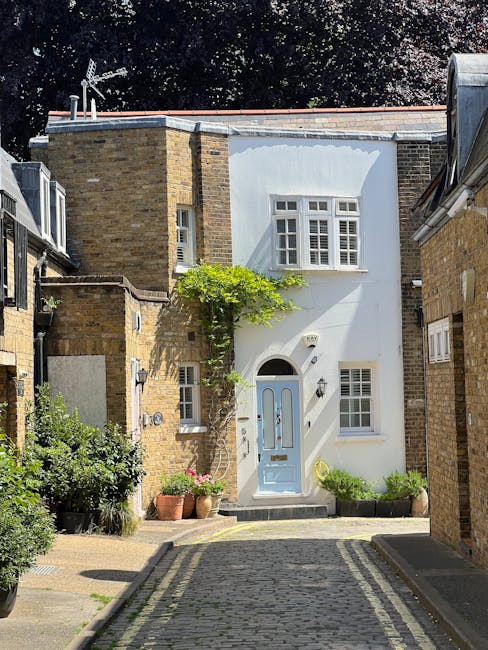
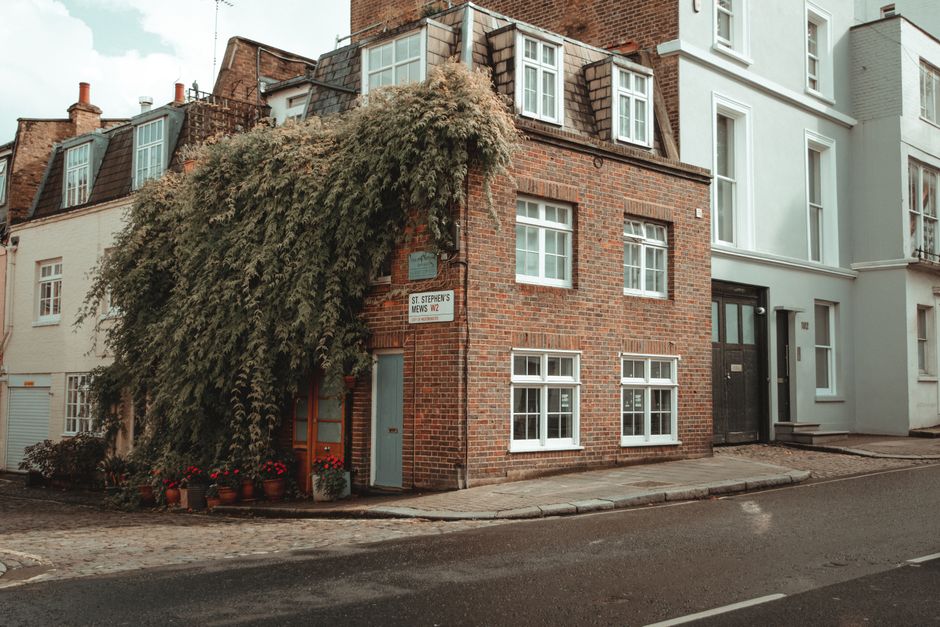
If you live in a mews house, you already know the charm comes with a few practical quirks. Lovely tucked-away setting, compact outdoor space, often a bit of privacy - and then the access question lands on the table. What to know about access for Archway gardeners in mews houses is not just a logistical detail; it shapes what can be done, how long it takes, what equipment is realistic, and how smoothly the whole visit runs. In Archway, where many homes sit behind shared lanes, tight side passages, or awkward parking restrictions, a little planning goes a very long way. The good news? Once access is understood properly, garden work becomes easier, safer, and usually a lot less stressful for everyone involved.
This guide breaks down the practical side in plain English: how access usually works, why it matters, what gardeners need to know before arriving, and how homeowners can avoid the common snags that slow everything down. We'll also cover useful checks, a simple step-by-step process, and a realistic example from a typical mews setting. No fluff. Just the things that help the job go right the first time.
For a broader look at the range of work that can be arranged once access is sorted, you may also find the services overview useful, alongside practical pages such as garden maintenance, lawn mowing, and hedge trimming.
Table of Contents
- Why access matters in Archway mews houses
- How access for garden work usually works
- Key benefits and practical advantages
- Who this is for and when it makes sense
- Step-by-step guidance
- Expert tips for better results
- Common mistakes to avoid
- Tools, resources and recommendations
- Law, compliance, standards and best practice
- Options, methods, or comparison table
- Case study or real-world example
- Practical checklist
- Conclusion
- Frequently asked questions
Why access matters in Archway mews houses
Mews houses are rarely designed with modern garden access in mind. That's part of their character, of course, but it also means the route into the garden can be the limiting factor more often than the work itself. A narrow passage, shared driveway, steep step, coded gate, or awkward turning point can affect everything from how much machinery can be brought in to how waste is taken out again.
In practice, access affects time, cost, and outcomes. If a gardener has to carry soil, compost, hedge cuttings, or clearance waste through a tight internal route by hand, the job becomes slower. If the gate is too narrow for a mower, the job may need a different approach entirely. And if pets, neighbours, or shared spaces are involved, good access planning also protects relationships. Let's face it, nobody wants a tidy-up to become a small argument over a gate left open.
There's also a safety angle. Good access reduces the chances of trips, strain injuries, or accidental damage to walls, paving, bin stores, or parked cars. That matters in mews settings where space is precious and every movement counts. A well-run visit starts with the simple question: how do we get people, tools, and green waste in and out cleanly?
Key takeaway: In a mews house, access is not a side issue. It is often the deciding factor in how smoothly garden work happens, what equipment can be used, and how long the job will take.
How access for garden work usually works
Every property is a bit different, but most mews-house access arrangements follow the same basic pattern. First, the gardener needs to understand the physical route. Then they decide what can realistically pass through that route. After that, they plan the task around the route, not against it. That sounds obvious, but it's where a lot of jobs either go smoothly or become awkward.
Typical access questions include:
- Is there a front entrance, side passage, rear lane, or shared courtyard?
- How wide is the gate or doorway?
- Are there steps, low lintels, steep slopes, or uneven paving?
- Can a wheelbarrow fit through without scraping walls or fencing?
- Is there somewhere safe to park for loading and unloading?
- Does anyone else need to use the same access route while work is under way?
For lighter visits, such as routine tidying or mowing of a small courtyard, access might only need a person and a hand tool bag. For larger work - say, a full seasonal tidy-up, shrub reduction, or clearance - the route matters much more. A job that looks straightforward from inside the garden can become a carry-heavy puzzle once waste bags need to move back out. The same is true for heavier services such as garden clearance or more involved tasks like landscape gardening.
Gardens behind mews houses often benefit from an "access-first" approach. That means the gardener checks the route before deciding on tools, work order, waste handling, and crew size. A small hand pruner may be smarter than a larger machine. Two short carries may be smarter than one long one. Tiny decisions, but they add up.
If the work involves structural surfaces or new features, access matters even more. For example, a project that includes decking services or broader landscaping may need material delivery planning, temporary protection for floors, and careful sequencing so the site stays usable.
Key benefits and practical advantages
When access is planned well, the difference is noticeable almost immediately. You can hear it in the pace of the job: less stopping, less backtracking, fewer "hang on a minute" moments at the gate. It sounds simple because, well, it is. But simple doesn't mean unimportant.
- Less disruption: Neighbours, residents, and deliveries are less likely to be affected.
- Faster turnaround: The team can work more efficiently if they're not constantly improvising around obstacles.
- Better finish: When equipment is chosen for the access route, the job often looks neater and more consistent.
- Reduced risk of damage: Better routing means fewer scuffs, fewer broken pots, and fewer mishaps with gates or walls.
- Clearer pricing: Access clarity helps estimates stay realistic, especially for labour-heavy work.
- Safer handling of waste: Green waste, soil, cuttings, and packaging can be removed without cluttering shared areas.
There is also a quieter benefit: peace of mind. If you know the gardener understands the access situation in advance, you don't spend the day worrying about whether they can get in, whether they'll need to ring the bell four times, or whether a wheelbarrow will squeeze through that narrow side route. Truth be told, that calm matters more than people admit.
For longer-term upkeep, access planning helps you build a sensible routine. A mews garden is often best maintained little and often, which is where garden maintenance can be especially practical. Small, regular visits usually create fewer access headaches than waiting for a big seasonal overhaul.
Who this is for and when it makes sense
This topic matters to more people than you might expect. It is not only for homeowners with very tiny gardens. It matters to landlords, tenants, managing agents, and anyone responsible for a courtyard or rear garden tucked behind a mews frontage.
You'll want to think carefully about access if:
- the garden can only be reached through a shared alley or passage;
- the route is narrow enough that larger tools may not fit;
- parking nearby is limited or heavily restricted;
- there are steps, turns, or low ceilings along the access route;
- you need regular visits rather than one-off work;
- you're arranging clearance, pruning, or heavier seasonal cutting;
- the property is occupied by multiple households or shares communal access.
It also makes sense to plan access carefully before the first visit, not after. That first visit tends to reveal everything: the latch that sticks, the bin that blocks the passage on Thursdays, the gate that only opens half way, the plant pot that always seems to be in the wrong place. Better to know early. Much better.
If you are comparing service levels, access needs can influence which type of help fits best. Routine tidying, edging, and mowing may suit ongoing support, while one-off tidy-ups, removals, or overgrowth control may be better handled through a more intensive visit such as garden clearance or tree lopping and removal where appropriate and lawful.
Step-by-step guidance
If you want the process to feel easy, treat access like part of the brief. Not a footnote. Here's a practical sequence that works well in real life.
- Describe the route clearly. Tell the gardener how to reach the garden, where the gate is, and whether the access is shared.
- Measure the narrow bits. Width matters, especially at gates, side paths, and doorways. Even a rough measurement helps.
- Note any obstacles. Steps, slopes, low branches, loose slabs, and locked communal doors all matter.
- Explain parking and loading. Is there a place to stop briefly? Can waste be carried out easily?
- Share the type of work. Light tidying, hedge cutting, lawn care, and clearance all have different access needs.
- Agree on arrival timing. Shared access often works better when the gardener knows exactly when a gate or route will be free.
- Clear the route before the visit. Move bikes, bins, prams, plant pots, and anything else that narrows the path.
- Walk the access route together if needed. A two-minute walkthrough can solve problems before they become delays.
One useful habit is to take a quick photo or two of the route and gate from both sides. That can be surprisingly helpful when explaining a tricky entry point. Not glamorous, I know, but practical. And practical wins.
If the access route is awkward but manageable, the gardener may adapt by using smaller tools, split loads, or a different sequence of tasks. For example, cuttings might be collected in stages rather than all at once. Heavy pruning might be done before lighter finishing work so waste management stays under control.
For projects involving surfaces, new garden features, or layout changes, it can help to look at landscape gardening early in the planning process. That way, access and design are considered together rather than separately. That saves time and, honestly, a fair bit of hassle.
Expert tips for better results
Here's where a bit of experience makes life easier. Small adjustments can save a surprising amount of time and friction.
- Keep the access route clutter-free on the day. Bins, recycling boxes, bikes, and folding chairs somehow always appear exactly where they shouldn't.
- Use a "first and last" access check. Make sure the route is clear before the team starts and again before they leave.
- Think in carry distances. A short path through a narrow gate can still be a long job if waste must be moved bag by bag.
- Match tools to space. Smaller equipment is often the smart choice in mews properties.
- Protect vulnerable surfaces. Temporary boards or careful route planning can help preserve paving, decking, and painted thresholds.
- Plan for neighbours. In shared spaces, a quick polite heads-up can smooth the day more than you'd expect.
A small but useful detail: if access is via a shared lane, tell the gardener what part of the lane is most likely to be blocked, and when. School-run hours, bin day, evening deliveries - they all matter. A job starting at 8:00 on a quiet morning is a different beast from one starting when everyone's trying to get out the door.
For maintenance-heavy gardens, a steady schedule helps. Regular visits mean fewer overgrown surprises, which in turn means simpler access and lighter waste loads. That is one of the biggest reasons homeowners choose ongoing support rather than waiting for a yearly rescue mission.
Common mistakes to avoid
Most access problems are avoidable. The tricky part is that they usually look small until the day of the visit. Then suddenly they are very, very visible.
- Assuming the gardener will "just manage." Sometimes they can, but not always safely or efficiently.
- Forgetting to mention a locked gate or coded entry. This one causes more delays than people like to admit.
- Underestimating waste removal. A small pile of cuttings can grow quickly after a full trim.
- Leaving delicate items in the access path. Pots, hoses, and garden ornaments are easy to catch by accident.
- Booking the wrong type of service for the access route. A quick tidy-up is not the same as a clearance job.
- Not checking parking restrictions. In Archway, this can affect timing more than the garden itself.
Another common slip is failing to distinguish between "garden access" and "work access." A gate may open, yes, but if the route is too tight for the tools needed, the team may need to adjust the plan. Better to know that before the van turns up. Saves the awkward shuffle and the apologetic smile.
If your garden has dense growth or difficult upper levels, access issues may be amplified. For instance, hedge work or tree work can create extra debris and more movement through the route. That is where specialist planning really pays off. It keeps the job tidy instead of chaotic.
Tools, resources and recommendations
You do not need a toolkit the size of a shed to make access work better. In most mews properties, the most valuable resources are actually the simplest ones: measurement, communication, and a little preparation.
Useful things to have ready include:
- a tape measure for gates and side passages;
- a few photos of the route and entrance points;
- the location of any keys, codes, or entry instructions;
- details of where vehicles can stop, even briefly;
- bins moved away from the access route before the visit;
- an idea of any fragile surfaces, loose paving, or low obstacles.
From a service perspective, it helps to choose the right level of help for the job. Routine mowing and trimming may be enough for a modest courtyard, while a larger clear-out may need more crew time and waste management. If you are unsure, a clear written brief helps. The pricing and scope conversation is usually smoother when access is described accurately from the start. You may find the site's pricing and quotes page useful when thinking through how work is estimated.
For recurring upkeep or mixed outdoor improvements, it can also be useful to look at related services such as lawn mowing and hedge trimming, especially if the garden has both soft and hard access constraints. Different tasks need different handling, and a good plan keeps all of it sensible.
Law, compliance, standards and best practice
Access in mews houses is not usually about a single dramatic legal rule. It is more often about sensible duty of care, neighbour awareness, and safe working practice. In the UK, gardeners and property owners alike should be mindful of avoiding damage, preventing avoidable injury, and respecting shared spaces. The exact responsibilities can depend on the property setup, ownership, lease arrangements, and the nature of the work being done, so caution is wise.
From a practical standpoint, best practice usually includes:
- keeping access routes clear and safe for the duration of the job;
- using equipment suitable for the space available;
- avoiding obstruction of shared walkways or emergency routes;
- handling waste so it does not create trip hazards;
- working in a way that respects neighbouring residents and shared boundaries;
- checking that any bigger or riskier work is properly planned in advance.
For jobs that involve higher-risk activity, such as work at height, lifting heavy materials, or removing larger woody growth, it is sensible to ask about insurance, safe working practices, and what the team will do if the access route changes mid-job. You can read more about this on the site's insurance and safety page and the health and safety policy. These pages are useful because they set expectations clearly, which is something everyone appreciates once ladders, tools, and shared walkways are involved.
There's also a responsible handling angle. Green waste should be managed with recycling or disposal in mind, not just piled up and forgotten in a corner. That is one reason some customers like to ask about sustainability practices before booking. If that matters to you, the recycling and sustainability page gives a helpful sense of how the business approaches waste and reuse.
Options, methods, or comparison table
Not every mews garden needs the same access strategy. The right method depends on the route, the scale of work, and whether the visit is routine or one-off. Here's a simple comparison to make that easier to picture.
| Access approach | Best for | Strengths | Watch-outs |
|---|---|---|---|
| Hand-carry only | Very narrow or delicate access routes | Low risk of damage, flexible, quiet | Slower for larger jobs, more labour-intensive |
| Light equipment plus hand tools | Small to medium mews gardens | Good balance of speed and control | Still needs a clear route and careful waste handling |
| Split-load planning | Clearance or pruning jobs with limited passage | Reduces congestion, keeps spaces tidy | Requires more coordination and communication |
| Full-service visit with waste management | Heavier maintenance or overgrowth | Efficient for larger jobs, less hassle for the homeowner | Needs access details upfront and a realistic time window |
In a compact Archway mews, the "best" option is often not the fastest-looking one. It is the one that leaves the garden neat, keeps the property undisturbed, and avoids awkward surprises. To be fair, that is true of most good garden work, but mews houses make it especially obvious.
Case study or real-world example
Picture a rear mews garden behind a period property near Archway. The garden itself is modest - a few beds, a patch of lawn, a hedge along one side, and a small paved seating area. On paper, nothing dramatic. But the access route runs through a shared side passage with a tight gate and a step down at the far end. There is also limited parking, and the neighbour uses the route for bins twice a week.
On the first visit, the gardener checks the route with the homeowner before unloading. They notice the gate opens inward only part way because of a protruding latch. That tiny detail would have mattered a lot once a mower or wheelbarrow entered the picture. So the plan changes slightly: lighter tools are brought through first, the hedge is trimmed in sections, and waste is bagged in smaller loads to keep the passage clear. The lawn is done last, once the route is less cluttered.
The result? No damage to the paving, no blocked passage, no irritated neighbour peering over the fence. Just a tidy garden and a much smoother day. It was not a heroic rescue, not a dramatic transformation, just good planning. Sometimes that's the whole story.
That same access-aware approach works well for recurring care too. If the garden needs regular attention after the initial tidy, a plan built around garden maintenance keeps each visit small and manageable. Which, in a mews setting, is usually the sweet spot.
Practical checklist
Use this before a gardener visits a mews house. It is simple, but it catches the issues that cause most delays.
- Measure gate widths and note any tight turns.
- Check whether access is shared, locked, or code-based.
- Confirm where the team can park or unload.
- Move bins, bikes, prams, and pots out of the route.
- Tell the gardener about steps, slopes, uneven paving, or fragile surfaces.
- Share any neighbour timing concerns, bin days, or regular access conflicts.
- Explain whether the work is routine, seasonal, or a one-off clearance.
- Ask how green waste will be removed from the property.
- Confirm whether larger tools will fit through the route.
- Check that keys, codes, or entry instructions are ready.
- Look out for anything that could block a return journey with waste bags.
If you can tick most of those off, you are in good shape. And if you cannot, that is fine too - better to spot the gaps now than halfway through the job when everyone is standing around the gate, trying to work out what the latch is doing.
Get a free quote today and see how much you can save.
Conclusion
What to know about access for Archway gardeners in mews houses comes down to one simple idea: in compact properties, access shapes everything. It influences the tools used, the time needed, the tidy-up at the end, and the overall ease of the visit. Once you treat access as part of the gardening brief, not an afterthought, the whole experience becomes more predictable and a lot less stressful.
Whether you need regular upkeep, a seasonal refresh, or a more involved clearance, the best results usually come from clear communication and a route that is properly understood before anyone starts. That's true in Archway, and really anywhere with shared lanes, narrow entries, and homes that have a bit of old-fashioned character built in.
Plan the access well, and the garden work can do what it should do: feel calm, look good, and leave the place better than it was before. Nice, steady, job done.
Frequently Asked Questions
What does access mean in a mews house garden?
Access is the route a gardener uses to reach the garden, bring tools in, and remove waste afterwards. In mews houses, this often means a shared passage, narrow gate, side alley, or rear lane rather than a simple front entrance.
Why is access such a big issue for Archway mews gardens?
Because many mews properties have limited space, shared routes, and tight entry points. That can affect equipment choice, working speed, and how safely the job is completed. It is often the main practical factor, not the garden size itself.
Should I measure the gate before booking a gardener?
Yes, if you can. Even a rough gate width or a quick photo is helpful. It allows the gardener to decide whether standard tools will fit or whether the job needs a different approach.
What should I tell the gardener before they arrive?
Share the access route, gate width if known, parking options, shared entry arrangements, bin days, and any obstacles such as steps, slopes, or low branches. The more accurate the picture, the smoother the visit.
Can gardeners work in mews houses with very narrow access?
Usually yes, but the job may need to be adjusted. Smaller tools, split loads, hand-carry methods, and slower waste removal are common solutions. Sometimes the work is still straightforward; it just needs more planning.
Does difficult access usually increase the cost?
It can, because more labour or extra time may be needed. That said, the exact pricing depends on the work, the route, and how much access affects the job. A clear brief helps keep quotes realistic.
What if access is shared with neighbours?
Shared access is common in mews settings. It is best to let neighbours know if the route will be used for tools or waste, and to agree on timings that avoid conflict. Small courtesies make a big difference.
How do gardeners remove waste from a mews garden?
Usually by bagging or bundling waste in manageable loads and carrying it back through the same access route, or by loading it safely if there is suitable vehicle access. The method depends on the property and the amount of waste.
Is garden clearance harder in mews houses?
Often yes, because clearance creates more waste and more movement through the access route. But with the right planning, it can still be handled neatly. This is where clear instructions before the visit really matter.
What kind of services are best for mews gardens with limited access?
Routine maintenance is often ideal because it keeps the garden under control and avoids large build-ups of waste. For bigger jobs, services such as garden clearance, hedge trimming, or landscape gardening may still work well if access is planned properly.
Should I worry about health and safety during access?
It is sensible to think about it, yes. Narrow routes, steps, and shared spaces can all create trip or handling risks. A professional gardener should plan around those issues and use suitable methods for the space.
Where can I learn more about the company's approach to safety and sustainability?
The site's health and safety policy, insurance and safety page, and recycling and sustainability page are useful places to start. They help set expectations in a clear, practical way.
What is the easiest way to make the first visit go smoothly?
Clear the route, share accurate access details, and keep keys or codes ready. If you can, send a photo of the gate or passage too. That one little step can save a lot of back-and-forth later.
How do I choose between regular maintenance and a one-off tidy-up?
If the garden tends to get out of hand quickly, regular maintenance usually works best, especially where access is tight. If the space has already become overgrown or cluttered, a one-off clearance may be needed first, followed by ongoing care.